
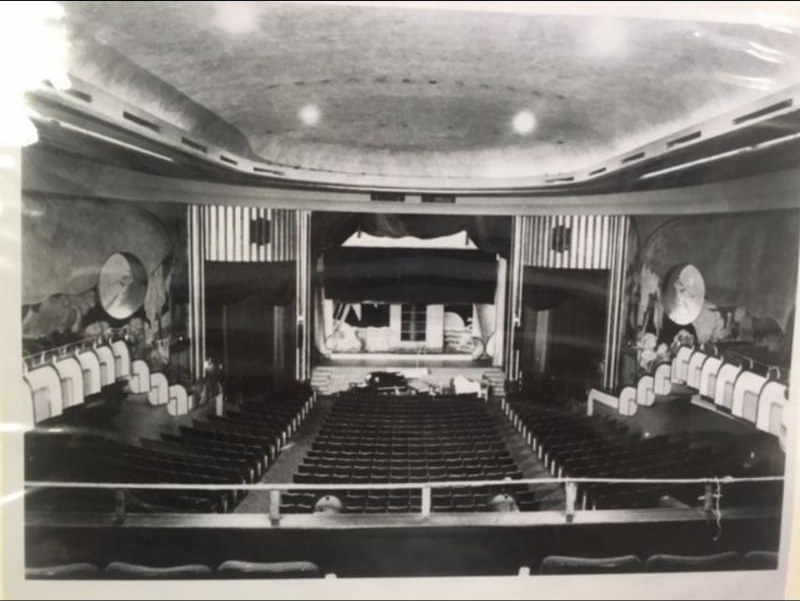
A supper club, a movie palace and a long line of nightclubs, all at one address in South Beach.
Ninety years of nightlife means a lot of clubs, parties and owners, and plenty of them came and went in a season. This page covers the chapters we can document. It is not every name that has been on the door.
Have photos, flyers or stories from the building? Send them to info@m2miami.com.
Architect Thomas Hunter Henderson designs the French Casino, a supper club with a stage, built from native keystone in what is now the Art Deco District.
It is modeled on Clifford Fischer's Les Ambassadeurs in Paris, which had sister clubs in New York, Chicago and London. In January 1936 the Folies Parisienne revue comes down from the New York club for the winter season: dinner, cabaret, showgirls and a dance floor.
On November 17, 1937 the supper club reopens as the Cinema Casino, a movie house in Paramount's Florida chain. Opening night is the world premiere of Voice of India, with vaudeville on the stage.
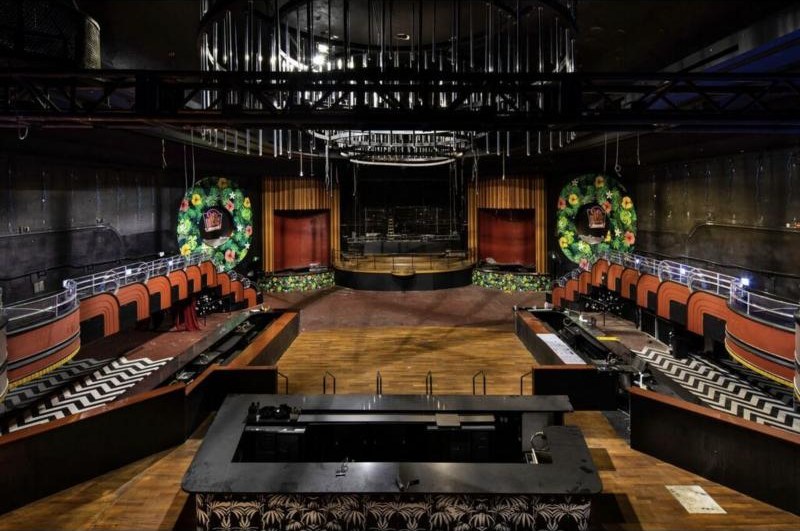
Theater architect Thomas W. Lamb reworks the interior with a sweeping staircase, etched mirrors, a mother-of-pearl Thonet bar, a chrome-and-glass chandelier and a 1,150-seat auditorium with murals on either side of the stage.
Florida State Theatres takes over in 1947. Miami Beach's Jewish population grows from about 16,000 before World War II to more than 140,000, and the Cinema becomes the beach's longest-running Yiddish vaudeville house: live acts on stage, MGM double features on screen.
By the 1970s it is a one-dollar theater. It closes in 1977.
The owners plan to turn the lobby into three shops. Preservationists led by Barbara Baer Capitman and Leonard Horowitz campaign to save the Cinema and lose; the street front becomes retail.
Behind new drywall, though, the auditorium and upper mezzanine survive. In 1983 preservationists push again to bring the lobby back.
A $2.5 million restoration by Ira Giller of Norman Giller & Associates turns the old theater into Club Z, which opens on March 27, 1984. It is remembered as the first New York-style disco to bring a velvet rope to Miami Beach.
Grace Jones, Chaka Khan, Tina Turner and Miami Sound Machine play the stage. The chandelier and the mother-of-pearl bar stay, and the lost auditorium murals are replaced with new ones by poster artist Woody Vondracek.
As Club 1235 it becomes Miami Beach's answer to Studio 54, with Madonna and Sylvester Stallone on the guest list.
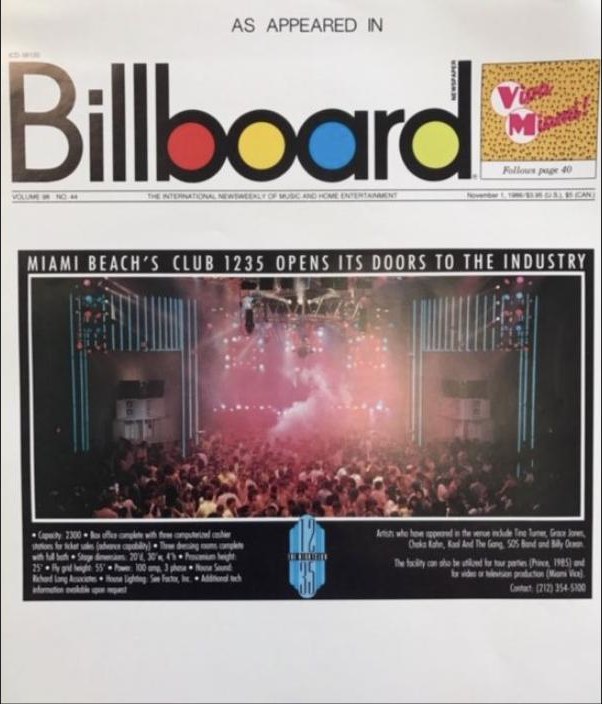
Billboard covers the opening to the industry in November 1986: a 2,300-capacity room that has already hosted Kool & the Gang, the SOS Band and Billy Ocean, a Prince tour party in 1985, and shoots for Miami Vice.

As South Beach starts to come back, the building cycles through names fast: Deco's, then Passion, then, by 1991, an empty room. It won't be the last quiet spell.
In the early '90s the building is Paragon, the biggest gay club in South Beach and a stop for Gianni Versace. Regulars remember two swimming pools built into the stage, mirrors overhead, and dancers diving in.
In 1994 Paragon's owners sell the building to Prince and move the club to 22nd Street.
Prince opens Glam Slam on his birthday, June 7, 1994. It is the last of his Glam Slam clubs, and the opening is broadcast to the others.
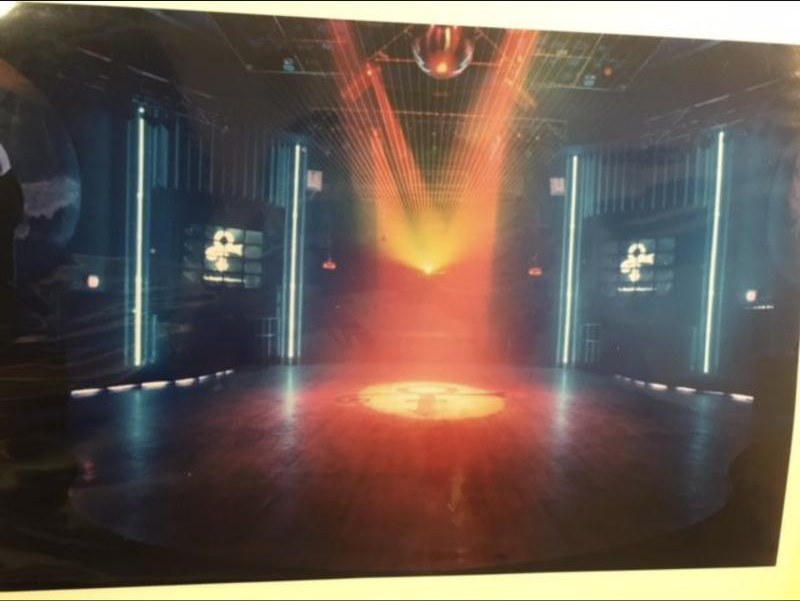
Accounts from the time describe purple dance floors, gold mesh and Prince's symbol on the walls. His private room on the third floor, looking down onto the dance floor, is today's Prince Room.
The run is short. Glam Slam closes in 1996.
Gerry Kelly, who had run Pacha in Ibiza, and partner Noah Lazes reopen the building as Level: about 44,000 square feet split into three clubs under one roof, in South Beach's superclub years alongside Liquid and crobar.
The Opium Group's Milon brothers buy Level, renovate it and reopen it as Mansion in 2004. It is one of the first clubs to put bottle-service tables on the dance floor, with aerial dancers overhead, and it runs for eleven years.
Deadmau5, David Guetta, Skrillex, Justice, Laidback Luke and Peaches all play here. On March 18, 2006, Prince comes back to perform in the building he once owned.
Mansion closes in September 2015, with Nicky Romero on the last weekend.
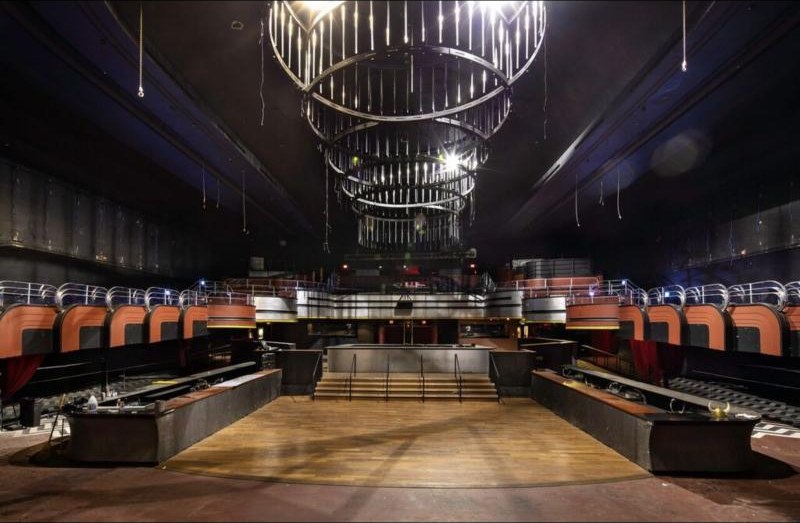
Icon opens at the end of 2015 and closes about nine months later. In January 2017 the space becomes Copa Room, a Las Vegas-style show club with aerialists and an open bar, which moves out that June.
By August 2017 the building is listed for lease at $70,000 a month, and it sits mostly dark for the next few years.
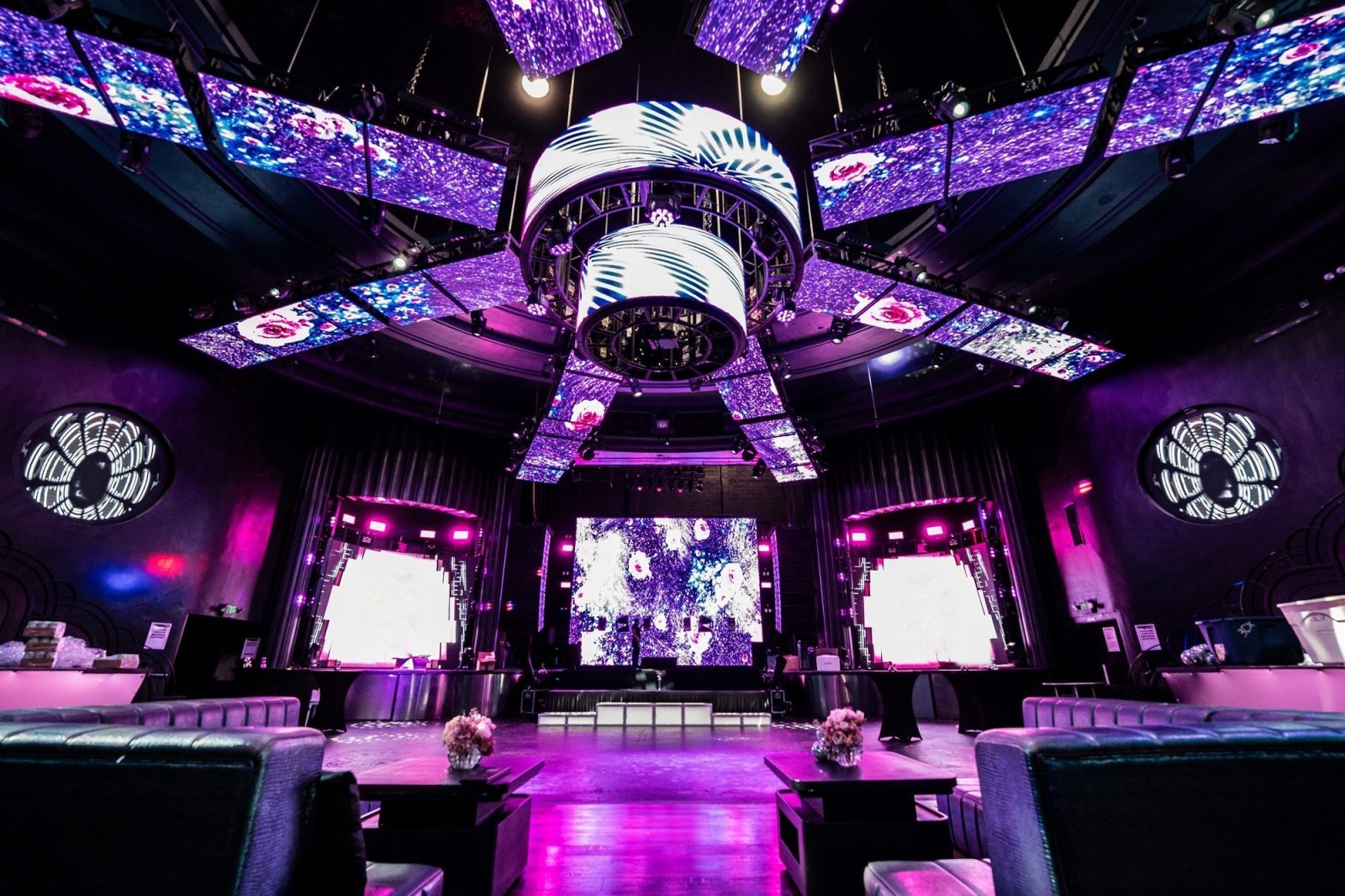
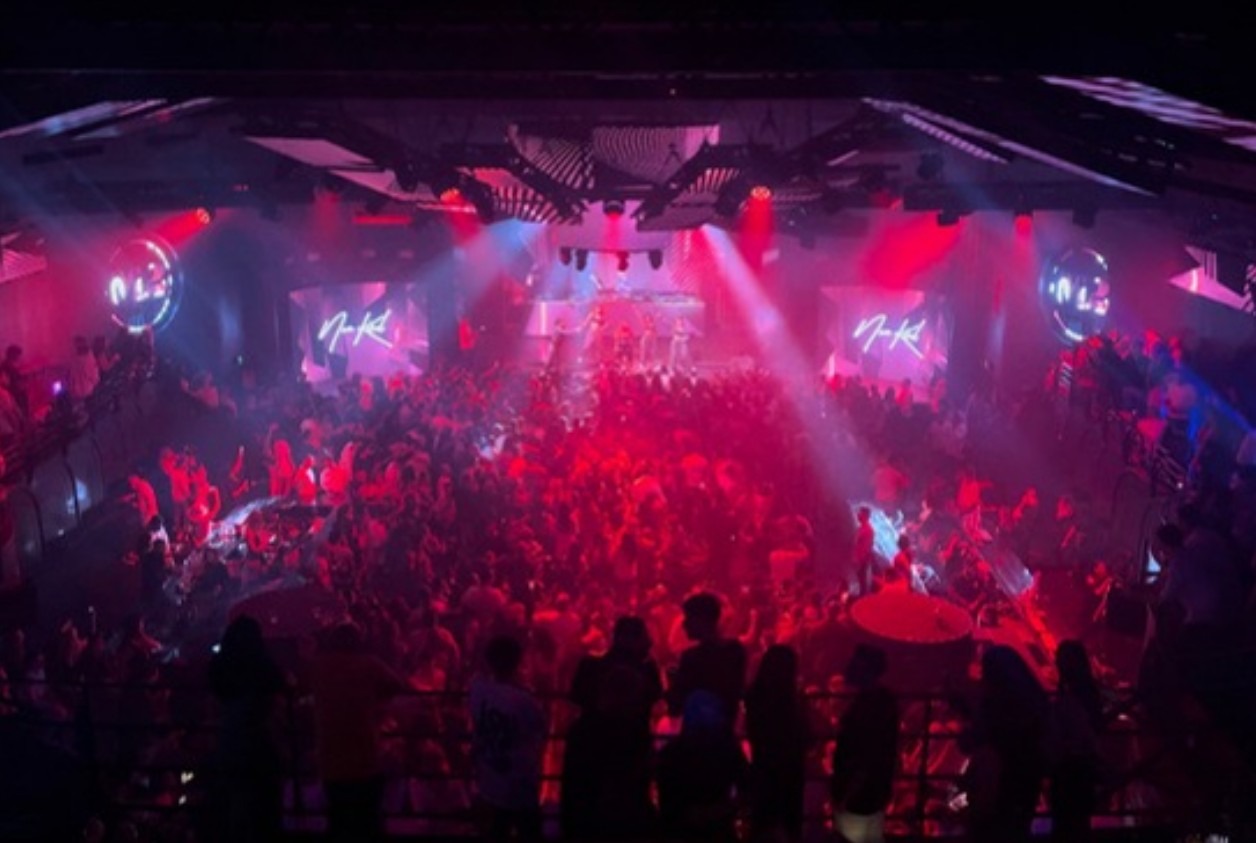
After a $10 million rebuild with Martin Audio sound, Anthem Production and a custom LED rig overhead, M2 opens during Miami Music Week in March 2023. Opening week brings Carl Cox, Adam Beyer's Drumcode, Charlotte de Witte and Sasha & Digweed.
Ultra's RESISTANCE moves in that fall. The building now runs as five event spaces: the Main Room, the Mezzanine, the Chamber, the Back Room and the Prince Room.
Miami Design Preservation League archive; Washington Avenue BID; Cinema Treasures; Billboard, November 1, 1986; Miami Herald; Miami New Times; South Beach Magazine; M2's own archive. Where accounts disagree on a date, we've used the most common one.
Ninety years on, the building is still doing what it was built for: a stage, a crowd and a night out on Washington Avenue.